
Environmental Concerns In Vape Cartridge Packaging: Can We Do Better
2026-01-02 19:08:38(1).jpg)
In a world where vaping has become increasingly popular, the environmental impact of vape cartridge packaging cannot be ignored. On the one hand, we see the allure of sleek designs and convenient usage, but on the other hand, we must confront the reality of plastic waste and its consequences. An environmentally conscious consumer may wonder if better options are available. This article aims to analyze the issue objectively, drawing on scientific research and data. We will explore the challenges of recycling vape cartridge packaging and sustainable alternatives to mitigate its environmental impact. Additionally, we will discuss how industry responsibility and consumer education play crucial roles in fostering positive change. We hope to inspire action toward a greener future for vape cartridge packaging by presenting accurate information and proposing potential solutions.
Key Takeaways
- Vape cartridge packaging has a significant environmental impact, contributing to plastic waste and carbon emissions.
- Sustainable alternatives, such as biodegradable or compostable materials, can help mitigate the environmental impact of vape cartridge packaging.
- Recycling vape cartridges is challenging due to their complex composition and the low market demand for the plastic resins they contain.
- Achieving a greener future in the vape industry requires a combination of government regulations and consumer behavior changes, including proper disposal and the choice of products with eco-friendly packaging.
The Environmental Impact of Vape Cartridge Packaging
The environmental impact of vape cartridge packaging isn't just a minor concern; it is a pressing issue that demands immediate attention. Vape cartridges contribute to plastic waste and have a significant carbon footprint throughout their life cycle. A study conducted by the European Union found that the production, transportation, and disposal of vape cartridges generate greenhouse gas emissions equivalent to driving an average car for 14 miles. This alarming statistic highlights the need for sustainable alternatives in the vaping industry.
Plastic waste from vape cartridge packaging is a significant concern. According to research published in Environmental Science & Technology, over 100 million plastic cartridges are discarded annually in the United States alone. These cartridges often end up in landfills or oceans, where they can take hundreds of years to decompose, posing a threat to wildlife and ecosystems.
To address this issue, innovative solutions must be explored. One potential solution is transitioning from traditional plastic packaging to more biodegradable alternatives, such as plant-based or compostable materials. Additionally, implementing recycling programs designed explicitly for vape cartridges could help reduce their environmental impact.
As we delve into the subsequent section on plastic waste and its consequences, it becomes evident that action must be taken promptly to mitigate the environmental concerns associated with vape cartridge packaging.
The Hidden Toll of Plastic Vape Packaging
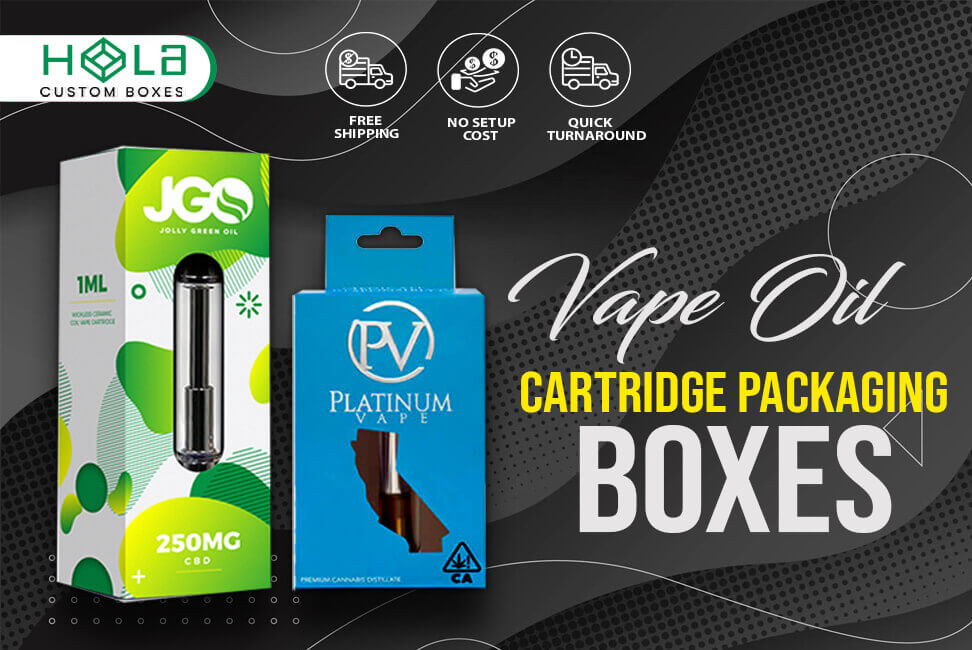
Picture a world where every discarded vape cartridge package becomes a ticking time bomb—contributing silently but steadily to environmental degradation. Vape cartridge packaging, often made from non-biodegradable plastics, is a growing contributor to global plastic pollution. These materials can take hundreds of years to decompose, if at all, leading to massive buildup in landfills and polluting natural ecosystems. As more single-use plastic is produced, the crisis deepens, turning our waste into a long-term environmental hazard.
Widespread Environmental and Health Impacts
The impact of plastic waste extends far beyond unsightly landfills. When plastic packaging enters rivers and oceans, it poses a severe threat to marine life, often leading to injury or death from ingestion or entanglement. As plastic breaks down, it releases harmful chemicals that leach into the soil and water, threatening biodiversity and potentially entering the human food chain. The consequences are not just environmental—they also present real risks to public health, demanding urgent attention and innovative solutions.
Make sustainability part of your story with custom vape boxes that balance sleek design with eco-conscious responsibility. Crafted from recyclable and biodegradable materials, these boxes protect your cartridges while showcasing your brand’s values through bold graphics, logos, and finishes. By offering packaging that is both stylish and environmentally friendly, you create a memorable unboxing experience that resonates with modern consumers. More than packaging, custom vape boxes position your brand as innovative, responsible, and committed to a greener future.
Recycling Challenges and Opportunities
Take a moment to consider the impact you could make by exploring new ways to recycle and reduce plastic waste in vape cartridge packaging. Recycling challenges and opportunities play a significant role in addressing environmental concerns associated with this packaging. While recycling initiatives have been implemented, obstacles remain. One challenge is the lack of recycling infrastructure designed explicitly for vape cartridges. These small, intricate devices often contain multiple materials, such as metal, glass, and plastic, making them difficult to recycle using traditional methods. Additionally, the resin used in vape cartridge plastics can be challenging to recycle due to its low quality and limited market demand.
However, there are opportunities for improvement by adopting circular economy principles. A circular economy aims to minimize waste by keeping resources in use for as long as possible through recycling and repurposing. Companies can design vape cartridges from recyclable materials or develop take-back programs that allow customers to return used cartridges for proper disposal or recycling.
By embracing these solutions and promoting a circular economy mindset within the vaping industry, we can move towards sustainable alternatives to current packaging methods without compromising functionality or convenience.
Sustainable Alternatives to Current Packaging
One way to address the challenges of recycling vape cartridge packaging is by exploring sustainable alternatives that prioritize environmental sustainability. As an environmental scientist or journalist, it is essential to present information and facts about vape cartridge packaging in an unbiased and objective manner. By relying on scientific research, studies, and data, we can provide accurate and reliable information about the environmental impact of vape cartridge packaging.
One potential solution is the use of biodegradable materials for packaging. These materials are designed to break down naturally over time, reducing their environmental impact. Biodegradable options include plant-based plastics or compostable materials that can be easily decomposed without releasing harmful toxins into the ecosystem.
Another sustainable alternative is reusable containers. Instead of using single-use vape cartridges that contribute to waste accumulation, manufacturers could develop refillable containers that can be used multiple times before being recycled. This reduces waste and saves resources and energy required for production.
We can significantly reduce its environmental impact by promoting the use of biodegradable materials and reusable containers in vape cartridge packaging. Transitioning into the subsequent section about industry responsibility and consumer education, it becomes clear that manufacturers and consumers have a role in adopting these sustainable alternatives.
Industry Responsibility and Consumer Education
With increased industry responsibility and consumer education, manufacturers can transition towards sustainable alternatives while consumers better understand the impact of their choices on the environment. The vape cartridge industry has seen rapid growth in recent years, but this growth has raised environmental concerns about packaging waste. Many vape cartridges are made from non-recyclable materials such as plastic and metal, contributing to pollution and landfill waste. To address these issues, industry regulations can play a crucial role in promoting eco-friendly packaging options. The industry can significantly reduce its environmental footprint by implementing stringent guidelines that require manufacturers to use recyclable or biodegradable materials for their cartridges.
Consumer education is equally important in driving change. Many vapers may not be aware of the negative consequences of their environmental choices. By providing them with accurate, reliable information on the ecological impacts of different cartridge materials, consumers can make more informed decisions when purchasing vape products. Moreover, educating consumers about proper disposal methods and recycling options will further reduce waste.
We can drive positive change in the vape cartridge packaging sector through stronger industry regulations and consumer education. By transitioning to eco-friendly options and making informed consumer choices, we can work towards a greener future where our vaping habits align with sustainability goals.
Taking Action: Steps Towards a Greener Future
Are you ready to create a greener future by implementing sustainable practices in the vape industry? One of the key steps towards achieving this goal is through government regulations and changes in consumer behavior.
Government regulations play a crucial role in reducing the environmental impact of vape cartridge packaging. By implementing stricter packaging guidelines, manufacturers can be encouraged to adopt more sustainable options. This could include using biodegradable or recyclable materials with minimal ecological impact. Governments can also promote recycling programs specifically for vape cartridges, ensuring that they are correctly disposed of and do not end up in landfills or waterways.
However, it's not just about regulations - consumer behavior also plays a significant part in creating a greener future. Educating consumers about the environmental impact of traditional vape cartridge packaging and raising awareness about sustainable alternatives is essential. Encouraging consumers to choose products with eco-friendly packaging and offering incentives can drive demand for more sustainable options.
By combining government regulations with conscious consumer choices, we can take meaningful action toward a greener future in the vape industry. Together, we have the power to reduce waste, preserve natural resources, and protect our environment for generations to come.
Make sustainability part of your story with custom vape boxes that balance sleek design with eco-conscious responsibility. Crafted from recyclable and biodegradable materials, these boxes protect your cartridges while showcasing your brand’s values through bold graphics, logos, and finishes. By offering packaging that is both stylish and environmentally friendly, you create a memorable unboxing experience that resonates with modern consumers. More than packaging, custom vape boxes position your brand as innovative, responsible, and committed to a greener future.