
The Role Of Custom Packaging In Sustainable Supply Chains
2026-01-02 18:51:31.jpg)
In today's ever-evolving world of commerce, sustainability has become a paramount concern. As businesses strive to minimize their environmental impact, one crucial aspect often overlooked is the role of custom packaging in sustainable supply chains.
Custom packaging offers a unique opportunity to reduce waste, optimize transportation efficiency, and enhance the customer experience. By tailoring packaging to fit products and using eco-friendly materials, you can effectively reduce excess material use and eliminate unnecessary waste throughout the supply chain.
Furthermore, custom packaging enables more efficient use of space during transportation, reducing fuel consumption and carbon emissions. Additionally, personalized packaging not only creates an unforgettable unboxing experience for customers but also promotes recyclability and reusability.
By enabling the design of packages that are both aesthetically pleasing and environmentally conscious, custom packaging plays a pivotal role in shaping a more sustainable future for businesses worldwide.
Key Takeaways
- Custom packaging reduces waste and optimizes transportation efficiency in sustainable supply chains.
- Tailoring packaging to fit products and using eco-friendly materials reduces excess material use and eliminates unnecessary waste.
- Personalized packaging enhances the customer experience and promotes recyclability and reusability.
- Sustainable packaging alternatives include biodegradable materials and recycled materials.
Minimize Waste with Tailored Packaging Solutions
Custom packaging is a powerful tool for reducing waste throughout the supply chain. By designing packaging that precisely fits the product dimensions, companies can avoid excess materials, reducing waste and lowering packaging costs. Custom packaging also makes it easier to incorporate eco-friendly alternatives, such as recycled, recyclable, or biodegradable materials—supporting environmentally conscious business practices.
Optimize Shipping and Reduce Emissions
In addition to material savings, custom packaging helps streamline logistics by minimizing space during shipping. Right-sized boxes reduce the need for filler materials and enable more efficient transportation, ultimately lowering fuel consumption and reducing carbon emissions. By adopting custom packaging, businesses contribute to a more sustainable supply chain while enhancing their operational efficiency and environmental responsibility.
Optimize Transportation Efficiency With Custom Printed Packaging
By streamlining transportation, you can improve the efficiency of your distribution network, resulting in a more seamless, eco-friendly flow of goods. Here are four ways to improve fuel efficiency and reduce carbon emissions:
Optimize route planning: Utilize advanced logistics software to identify the most efficient routes for your shipments, minimizing travel distance and time.
Consolidate shipments: Combine multiple orders into one shipment whenever possible, reducing the number of trucks on the road and maximizing cargo capacity.
Use alternative fuels: Explore options such as biodiesel or electric vehicles to reduce reliance on fossil fuels and lower carbon emissions.
Invest in eco-friendly packaging: lighter materials not only reduce weight but also help save fuel during transportation.
Implementing these strategies will not only benefit the environment but also help your company save costs through improved operational efficiency.
Create a Memorable Brand Experience
Custom packaging boxes play a vital role in enhancing the customer experience by reinforcing your brand identity. Eye-catching, well-designed packaging that reflects your brand’s personality helps leave a lasting impression and promotes brand recognition. When customers receive a product in thoughtful, customized packaging, it adds value and excitement to their purchase—turning an ordinary unboxing into a memorable experience.
Prioritize Convenience and Sustainability
Today’s consumers value both sustainability and practicality. Offering eco-friendly packaging options demonstrates your brand’s commitment to the environment and can attract and retain environmentally conscious customers. At the same time, providing packaging that is easy to handle and store enhances user convenience. Together, these elements of custom packaging contribute to greater customer satisfaction, encouraging repeat business and brand loyalty.
Custom packaging design for brand recognition
Creating custom packaging designs is a fantastic way for brands to enhance their recognition and stand out from the competition. In today's crowded marketplace, companies must employ effective branding strategies that leave a lasting impression on consumers. Custom packaging design plays a vital role in achieving this goal by captivating customers and reinforcing brand identity. By incorporating unique elements such as color schemes, logos, and slogans into the packaging design, brands can create a cohesive visual experience that resonates with their target audience. Additionally, staying up to date with packaging design trends helps brands remain relevant and appeal to modern consumers. To illustrate the importance of custom packaging design for brand recognition, consider the following table:
| Brand | Packaging Design |
|---|---|
| A | Sleek and minimalist design with bold typography |
| B | Vibrant colors and playful illustrations |
| C | Eco-friendly materials and simple yet elegant aesthetics |
By utilizing these strategies and trends, brands can ensure their products make a memorable impact on customers while also promoting sustainability in supply chains.
Eco-friendly packaging options for environmentally conscious customers
When it comes to environmental consciousness, eco-friendly packaging is a must for brands looking to make a positive impact on the planet. As more customers prioritize sustainability, businesses need to explore eco-friendly packaging alternatives that align with their values.
Fortunately, there are several sustainable packaging solutions available today. One option is to use biodegradable materials, such as compostable plastics or plant-based alternatives like cornstarch-based packaging. These materials break down naturally, reducing landfill waste.
Another option is utilizing recycled materials for packaging, which helps conserve resources and reduce carbon emissions associated with production. Additionally, brands can opt for minimalist designs that use less material and incorporate reusable or refillable containers.
By embracing these eco-friendly packaging options, companies can not only meet the demands of environmentally conscious customers but also help build a more sustainable supply chain.
Packaging solutions for convenient handling and storage
If you're an environmentally conscious customer looking for eco-friendly packaging options, you'll be pleased to know that there are also solutions available that prioritize convenient handling and storage. These packaging solutions not only reduce waste and minimize environmental impact but also make it easier for you to handle and store your products. To optimize storage space, manufacturers have developed innovative designs that enable efficient stacking, folding, or nesting of packages. Whether you're a retailer trying to maximize shelf space or a consumer struggling with limited storage at home, these convenient packaging solutions can make your life easier. To give you a better idea, here's a table highlighting some examples:
| Packaging Solution | Features | Benefits |
|---|---|---|
| Stackable Boxes | Easy to stack and store | Maximizes storage space |
| Foldable Cartons | Can be folded flat when empty | Reduces transportation costs |
| Nesting Containers | Fit inside one another when empty | Saves on storage space |
With these packaging innovations, convenience and sustainability go hand in hand.
Promote Recyclability and Reusability Of Customized Packaging
If you want to promote recyclability and reusability in your packaging, there are three key points to consider.
First, use recyclable and biodegradable materials in your packaging design. This will help reduce environmental impact and ensure the materials can be easily recycled or composted.
Second, design your packaging to facilitate the separation of recyclable components. This will make it easier for consumers to recycle correctly and ensure that valuable materials are not wasted.
Finally, consider implementing reusable packaging options. This can help reduce waste and encourage customers to reuse packaging rather than throw it away after a single use.
Use of recyclable and biodegradable materials
Choose the right materials for your custom packaging, ones that are recyclable and biodegradable, to create a sustainable supply chain that leaves a positive impact on the environment.
By incorporating recycling initiatives and using biodegradable packaging, you can help reduce waste and minimize your business's carbon footprint. Opting for recyclable materials such as cardboard or paperboard ensures that your packaging can be easily recycled after use, preventing it from ending up in landfills.
Additionally, choosing biodegradable materials, such as plant-based plastics or compostable materials, allows for natural decomposition without harming the environment. These choices not only promote a more sustainable approach but also show your commitment to being an environmentally responsible business.
So make the conscious decision to prioritize recyclability and biodegradability in your custom packaging to help build a greener future.
Design packaging for easy separation of recyclable components
When designing your packaging, consider creating a design that allows for easy separation of recyclable components, making it effortless for consumers to contribute to recycling efforts.
By incorporating sustainable packaging design principles, you can ensure that your packaging is not only visually appealing but also environmentally friendly. One way to achieve this is to design packaging that is easy to open and close, using materials such as cardboard or paperboard rather than plastic or Styrofoam. This will make it easier for consumers to separate the different components of the packaging and dispose of them properly.
Additionally, you can use clear labeling and instructions for each component's recycling, further encouraging consumers to participate in recycling initiatives.
By taking these steps, you can play a vital role in promoting sustainability and reducing waste in the supply chain.
Implement reusable packaging options.
Opt for reusable packaging options to reduce waste and contribute to a more sustainable future. Implementing reusable packaging not only helps minimize environmental impact but also offers cost-effective alternatives.
By using high-quality materials that can withstand multiple uses, companies can significantly decrease their carbon emissions associated with packaging production and disposal. Reusable packaging also reduces the need to constantly manufacture new packaging materials, lowering long-term costs for businesses.
Additionally, these options offer companies an opportunity to enhance their brand image by showcasing their commitment to sustainability. Embracing reusable packaging is a win-win situation, as it benefits both the environment and the bottom line.
Start making a difference today by choosing reusable packaging solutions for your products.
Contribute to a More Sustainable Future With Custom Packaging
Collaborate with your suppliers to source sustainable packaging materials that are eco-friendly and have minimal environmental impact.
Educate your customers on proper recycling and disposal methods, and provide clear instructions on how to dispose of your packaging responsibly.
Continuously innovate and improve your packaging solutions for sustainability, exploring new ways to reduce waste, use fewer resources, and create a more sustainable future for your business.
Collaborate with suppliers to source sustainable packaging materials
By working closely with suppliers, you can discover innovative and eco-friendly packaging materials that will help build a sustainable supply chain. One way to ensure the sustainability of your packaging is to source materials with sustainable packaging certifications.
These certifications guarantee that the materials used meet specific environmental standards and help reduce waste and the carbon footprint. Additionally, collaborating with suppliers actively involved in circular economy initiatives can lead to the discovery of more sustainable packaging options.
The circular economy aims to minimize waste and maximize resource efficiency by promoting the reuse, recycling, and repurposing of materials. By embracing this approach, businesses can not only reduce their environmental impact but also build a positive brand image as customers increasingly prioritize sustainability in their purchasing decisions.
Educate customers on proper recycling and disposal methods
Make sure you inform your customers about the proper ways to recycle and dispose of their packaging materials, so they can effortlessly contribute to a greener future. Proper waste management and eco-conscious disposal are crucial in sustainable supply chains. Here are five essential points to educate your customers on:
Separate recyclable and non-recyclable materials: Clearly explain which packaging components can be recycled and which cannot.
Use designated recycling bins: Encourage customers to utilize recycling bins specifically for packaging materials.
Reduce single-use packaging: Encourage reusable or compostable alternatives whenever possible.
Dispose of hazardous materials properly: Provide guidelines for safely disposing of any dangerous packaging materials.
Promote awareness: Raise customer awareness about the environmental impact of improper waste management.
By educating your customers on these practices, you empower them to make environmentally responsible choices that contribute to a more sustainable future.
Continuously innovate and improve packaging solutions for sustainability
To ensure a greener future, continuously innovating and enhancing packaging solutions is essential. As businesses strive to implement packaging sustainability strategies, the development of eco-friendly packaging innovations is crucial.
By embracing new technologies and materials, companies can reduce their environmental impact while still delivering high-quality products. One way to achieve this is to use biodegradable or compostable materials in packaging design. These alternatives break down easily without harming the environment. Additionally, lightweight packaging reduces transportation costs and minimizes carbon emissions.
Another innovative approach is adopting reusable or refillable packaging. This not only reduces waste but also actively encourages customers to adopt sustainable practices.
Moreover, incorporating smart packaging technology can enhance sustainability efforts by providing real-time information on product freshness and expiration dates, reducing food waste.
By continuously improving and innovating packaging solutions with these eco-friendly approaches, businesses can contribute significantly to building sustainable supply chains for a better future.
Frequently Asked Questions
What are some specific strategies that companies can implement to reduce waste in their supply chains?
Implement reusable solutions, such as returnable packaging and pallets, to reduce waste. According to a study, these strategies have the potential to cut supply chain waste by up to 50%, making them practical tools for sustainability.
How can optimizing transportation efficiency help companies reduce their carbon footprint and greenhouse gas emissions?
Transportation optimization can significantly reduce a company's carbon footprint and greenhouse gas emissions. By using sustainable packaging materials and optimizing routes, companies can minimize the distance traveled, fuel consumption, and overall environmental impact of their transportation operations.
What are some examples of customer experience enhancements that can be achieved through custom packaging?
To enhance customer satisfaction, custom packaging can offer unique unboxing experiences and personalized touches. These enhancements not only create a memorable brand perception but also make customers feel special and valued.
How can companies ensure that their custom packaging is easily recyclable and reusable?
To ensure your custom packaging is easily recyclable and reusable, use eco-friendly materials such as biodegradable plastics or recycled paper. Incorporate design innovation to make it easy for consumers to separate and recycle different components of the packaging.
Besides reducing waste and optimizing transportation efficiency, what other ways can custom packaging contribute to a more sustainable future?
Custom packaging not only reduces waste and optimizes transportation, but it also enhances customer satisfaction and promotes brand differentiation. By creating unique and memorable packaging experiences, companies can contribute to a more sustainable future.
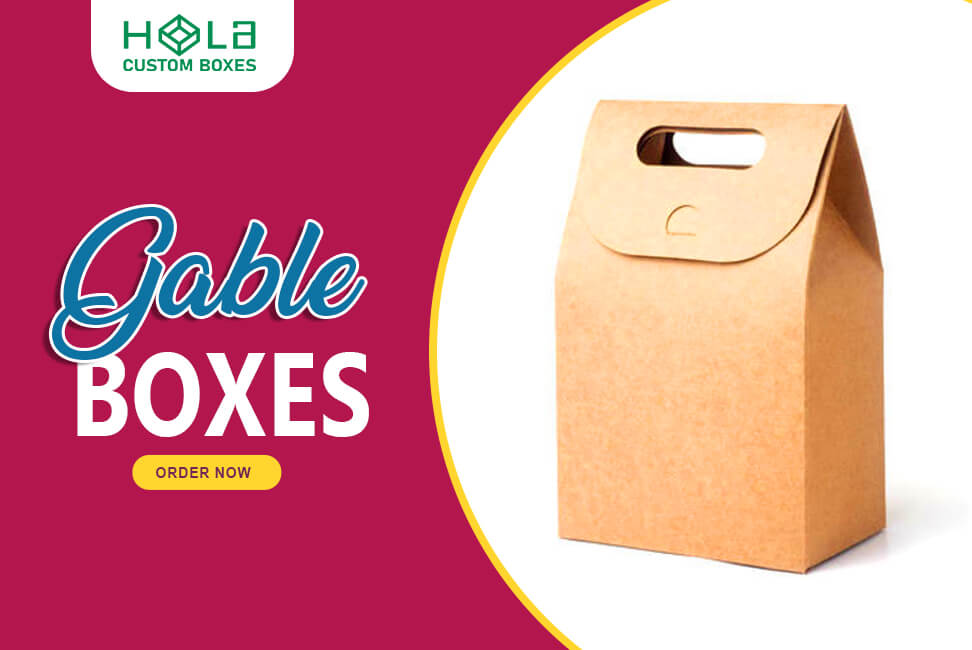
At Hola Custom Boxes, sustainability and style go hand in hand. Our Gable Bag Auto Bottom packaging is engineered to minimize waste, optimize shipping efficiency, and deliver a memorable unboxing experience—all while showcasing your brand’s unique identity. Crafted from eco-friendly materials and designed for durability, these boxes reinforce your commitment to the environment without compromising on quality or aesthetics. Elevate your brand presence and contribute to a greener future with packaging solutions that truly make an impact at Hola Custom Boxes.